


-

Add: HeBei ShengShi HongBang Cellulose Technology CO.,LTD.
-

Email
13180486930@163.com -

CONTACT US
+86 13180486930
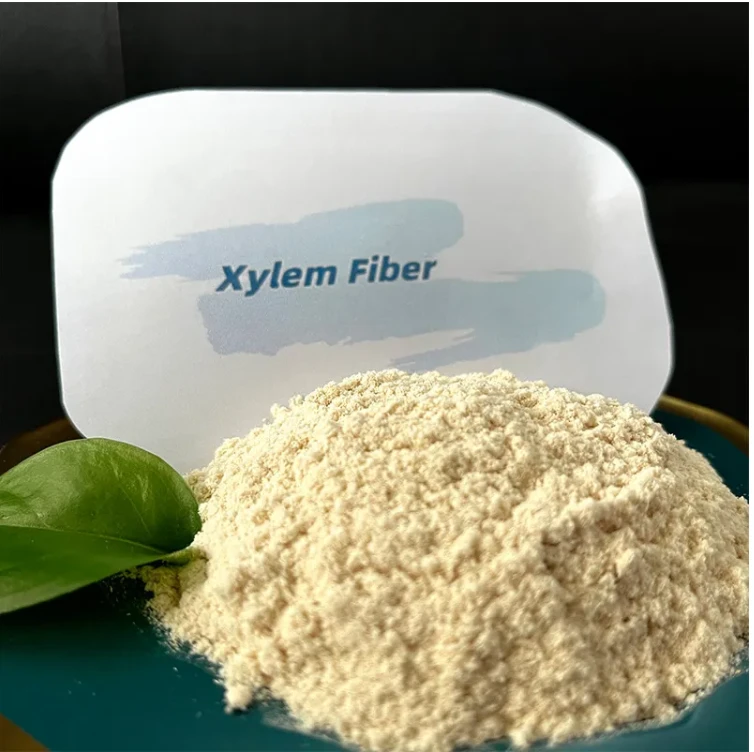
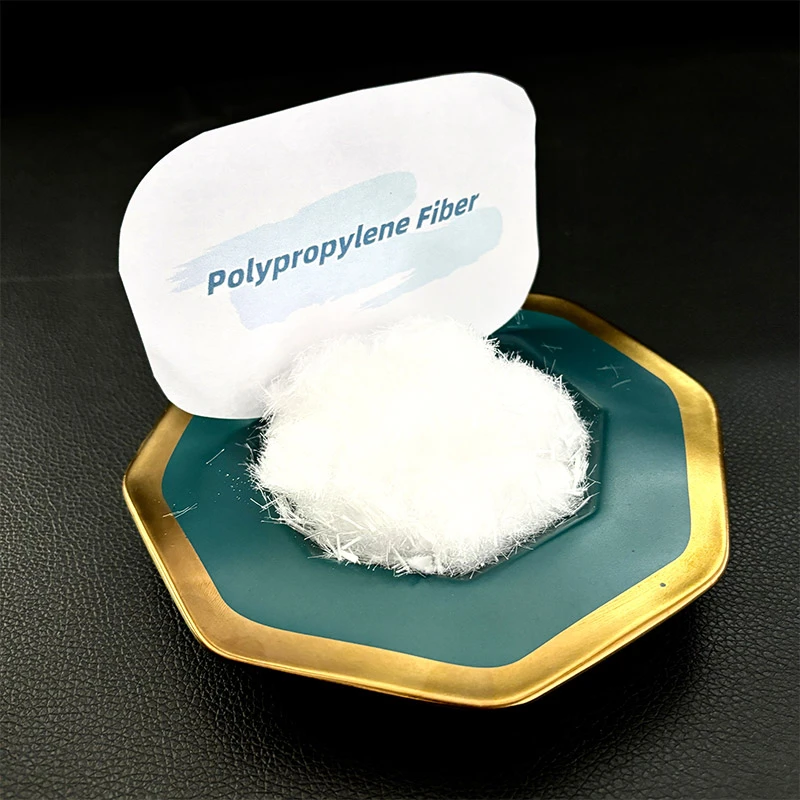


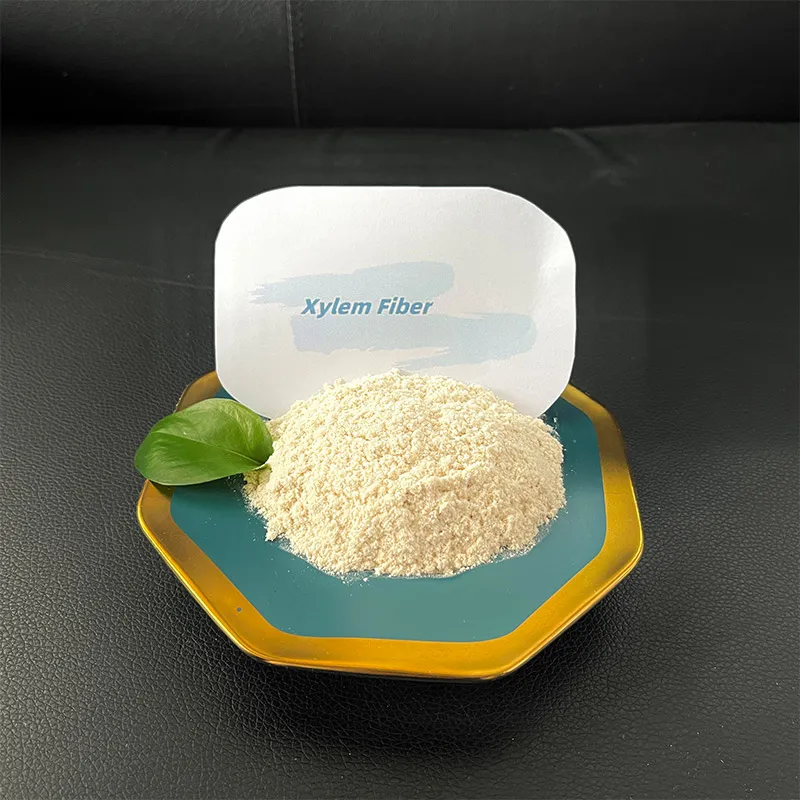


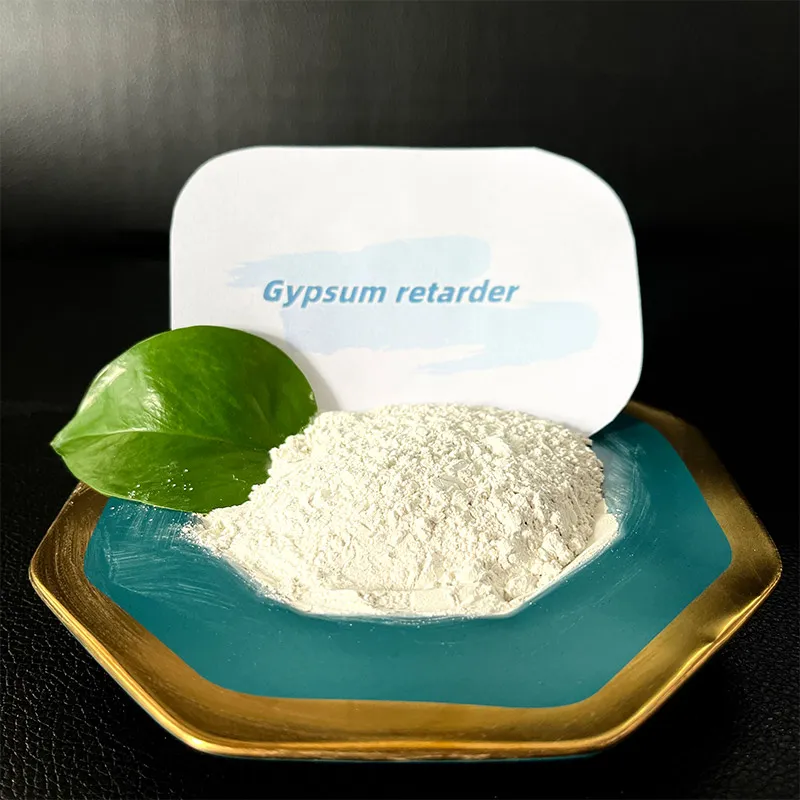
The Foundation of Modern Construction: Unveiling the Power of Plaster Retarder In the dynamic world of construction, efficiency, precision, and material performance are paramount. Among the myriad of specialized additives, the plaster retarder stands out as a critical component, revolutionizing the application and setting characteristics of gypsum-based materials. Often referred to interchangeably as gypsum retarder , gypsum plaster retarder , or gypsum retarder chemical , this additive provides a crucial advantage: extended working time. This enhanced workability, sometimes termed as providing extra time plaster additive capabilities, ensures that skilled craftsmen and automated machinery alike can achieve superior finishes, reduce material waste, and optimize project timelines. Without effective set control, gypsum, a widely used and sustainable building material, would harden too quickly, making its application impractical for many large-scale or intricate projects. This comprehensive guide delves deep into the essence of plaster retarder technology, covering its underlying principles, market impact, technical specifications, and practical applications, offering a holistic view for professionals seeking optimal building solutions. Navigating the Evolving Landscape: Industry Trends Shaping the Demand for Plaster Retarder The global construction industry is undergoing significant transformations, driven by demands for sustainable building practices, rapid construction techniques, and higher performance materials. Gypsum, being naturally abundant, fire-resistant, and excellent for acoustic and thermal insulation, is at the forefront of this evolution. This increasing adoption directly fuels the demand for sophisticated chemical additives like plaster retarder. Growth Drivers in Gypsum-Based Construction Sustainability Imperative: As a recyclable and often locally sourced material, gypsum aligns with green building certifications like LEED and BREEAM, making it a preferred choice for environmentally conscious projects. This trend, as highlighted by a recent report from Grand View Research, projects the global gypsum market to reach USD 30.2 billion by 2028, with a significant compound annual growth rate (CAGR) driven by increased construction activities globally. Urbanization and Infrastructure Development: Rapid urbanization in developing economies and ongoing infrastructure modernization in developed nations necessitate faster and more efficient construction methods, where controlled setting times for plaster become invaluable. Pre-fabricated Construction: The rise of modular and pre-fabricated building components often utilizes gypsum-based panels, which benefit immensely from precise set control during their manufacturing process. Innovation in Application Techniques: The shift towards machine-applied plasters and self-leveling compounds requires additives that ensure consistent flow and extended open times, areas where gypsum retarder excels. Furthermore, there's a growing emphasis on material optimization. Manufacturers are constantly seeking additives that not only provide desired workability but also contribute to the overall strength, durability, and cost-effectiveness of the final product. This continuous innovation cycle ensures that plaster retarder technologies are becoming more refined, offering tailored solutions for diverse environmental conditions and application requirements. Unpacking the Science: Technical Parameters and Performance Metrics of Plaster Retarder At its core, a plaster retarder is a chemical compound designed to delay the hydration process of calcium sulfate hemihydrate (gypsum plaster). This delay provides a longer open time or working time before the plaster begins to set, allowing for proper application, leveling, and finishing without premature hardening. The effectiveness and suitability of a gypsum retarder chemical are defined by several critical technical parameters: Mechanism of Action Most plaster retarders function by adsorbing onto the surface of the gypsum crystals as they begin to precipitate during hydration. This adsorption interferes with the crystal growth, effectively slowing down the formation of dihydrate crystals, which are responsible for the plaster's hardening. Common active ingredients include protein hydrolysates (e.g., keratin, collagen derivatives), lignosulfonates, and various organic acids (e.g., tartaric acid, citric acid) or their salts. The specific chemical structure dictates the retarding efficiency and compatibility with other additives. Key Technical Parameters: Retardation Time (Initial and Final Set): This is the most crucial parameter, measured in minutes or hours. It defines how long the plaster remains workable (initial set) and when it achieves its full hardening (final set). Typical desired retardation can range from 30 minutes to several hours depending on the application. Dosage Rate (% by weight of gypsum): The optimal amount of plaster retarder required to achieve the desired retardation effect. Over-dosing can significantly prolong the set time, potentially compromising final strength, while under-dosing will offer insufficient retardation. Typical dosages range from 0.005% to 0.5% depending on the retarder's efficiency and the gypsum type. Compatibility: How well the gypsum retarder interacts with other additives commonly found in plaster formulations, such as redispersible polymer powders (RDPs), cellulose ethers (HPMC, MHEC), and superplasticizers. Good compatibility ensures that all additives work synergistically without adverse reactions. Impact on Mechanical Strength: While retarding the set, a high-quality plaster retarder should not significantly compromise the final compressive and flexural strength of the hardened gypsum. Ideally, it should maintain or even slightly improve these properties due to more uniform crystal formation. Fineness/Particle Size: For powder-form retarders, fineness affects dispersibility and dissolution rate within the plaster mix. A finer powder generally disperses more uniformly, leading to consistent performance. pH Value: The pH of the retarder solution can influence its interaction with gypsum and other additives. Storage Stability/Shelf Life: The period over which the retarder maintains its effectiveness under recommended storage conditions. Expertise Insight: The precise control of gypsum hydration is a delicate balance. Too much retardation can lead to weak, crumbly plaster, while too little results in an unworkable mix. Advanced plaster retarders offer a fine-tuned control mechanism, allowing formulators to achieve specific performance profiles tailored to different gypsum sources and application methods. This "tuning" capability is what sets premium extra time plaster additive products apart. Typical Plaster Retarder Parameter Comparison Table Parameter Unit Typical Range (Standard) Premium Gypsum Retarder (e.g., SSHBHPMC) Test Standard Retardation Time (Initial Set) Minutes 30 - 180 60 - 360+ (Adjustable) ASTM C472 / EN 13279 Recommended Dosage % by weight 0.01 - 0.2 0.005 - 0.15 (High Efficiency) Internal Formulation Tests Particle Size (D90) µm < 200 < 100 Laser Diffraction (Malvern) pH Value (1% Solution) 6.0 - 8.5 6.5 - 7.5 ISO 3696 Bulk Density g/cm³ 0.4 - 0.7 0.5 - 0.65 ASTM D1895 Impact on Compressive Strength (24h) % Change -10% to +5% -5% to +10% (Maintained/Improved) ASTM C472 / EN 13279 Shelf Life Months 12 - 24 24+ Internal Stability Tests These parameters are crucial for formulators to select the appropriate plaster retarder to achieve specific performance goals for their gypsum products, ensuring optimal workability without compromising the final mechanical properties. Transforming Construction: Diverse Application Scenarios for Gypsum Retarder The versatility of gypsum retarder allows its integration into a wide array of gypsum-based building materials, significantly enhancing their workability and application efficiency across various construction segments. Key Application Areas: Gypsum Plastering (Manual & Machine Application): This is arguably the most common application. For manual plastering, plaster retarder provides sufficient time for craftsmen to prepare, apply, and achieve a smooth finish over large wall or ceiling areas. For machine-applied plasters, it ensures consistent pumpability and flow, preventing premature hardening within the machinery and hoses, thus reducing downtime and increasing productivity. Gypsum Boards/Panels Manufacturing: In the production of plasterboard, plaster retarder is critical in controlling the setting time of the gypsum core slurry. This allows adequate time for the slurry to be evenly distributed between the paper liners, shaped, and cut before setting, ensuring uniform thickness and quality across the entire board. Gypsum-Based Self-Leveling Compounds: These compounds are used to create perfectly level subfloors. An extra time plaster additive is essential here to allow the mixture to flow and level itself out over a large area before it begins to harden, preventing uneven surfaces or cold joints. Specialty Gypsum Products: This category includes gypsum-based adhesives, joint compounds, fillers, decorative moldings, cornices, and artistic gypsum casts. For these products, precise control over setting time is vital for intricate detailing, long open times for complex assemblies, or specific tooling requirements. Gypsum Block Production: Similar to plasterboard, plaster retarder ensures consistent molding and handling time for the production of gypsum blocks used in internal partition walls. The ability of plaster retarder to fine-tune the setting process means it is not just an additive but a performance enhancer. In challenging environments, such as hot and humid climates where gypsum can set extremely fast, a robust gypsum retarder chemical becomes indispensable for practical application. Its role extends beyond mere workability; it contributes to the aesthetic quality, structural integrity, and overall efficiency of gypsum construction. Consider a large commercial building project: without a reliable plaster retarder, the sheer volume of plaster needed would be unmanageable. Workers would constantly be mixing small batches, rushing applications, leading to uneven finishes, increased material waste, and significant labor cost overruns. The application of a high-quality gypsum plaster retarder mitigates these issues, allowing for batch mixing, efficient spreading, and the ability to correct imperfections before the material sets, ultimately contributing to a superior final product and adherence to project timelines. Unlocking Superior Performance: Technical Advantages of High-Quality Gypsum Retarder Chemicals Investing in a premium gypsum retarder chemical offers a multitude of technical and operational advantages that significantly impact project outcomes and material quality. These benefits extend far beyond simply delaying the setting time. Core Advantages: Extended and Controllable Working Time: This is the most direct benefit. A high-efficiency plaster retarder provides a predictable and adjustable open time, crucial for large surfaces, complex designs, or when working with multiple layers. This predictability allows for better planning and execution of plastering work. Improved Workability and Trowelability: By maintaining the plaster in a plastic state for longer, the retarder enhances its consistency and flow characteristics. This makes it easier to mix, apply, spread, and smooth the plaster, reducing physical effort and leading to a more uniform, professional finish. Enhanced Surface Finish Quality: With sufficient working time, applicators can achieve smoother, more aesthetically pleasing surfaces free from premature set marks, cracks, or imperfections. This is especially vital for architectural finishes where visual quality is paramount. Reduced Material Waste: Premature setting often leads to discarded batches of plaster. By extending the pot life, plaster retarder minimizes waste, contributing to cost savings and environmental sustainability. Consistent Performance Across Batches: A high-quality gypsum retarder ensures uniform set times, even with slight variations in ambient temperature or mixing water, leading to reliable and predictable results from batch to batch. This consistency is a hallmark of professional-grade building materials. Optimized Labor Efficiency: With more time to work, crews can cover larger areas with fewer interruptions, reducing the need for constant re-mixing and allowing for more efficient deployment of labor. This translates directly into faster project completion and reduced labor costs. Better Adhesion and Bond Strength: By allowing for proper hydration and crystal formation over an extended period, the retarder can contribute to better interlocking of gypsum crystals, potentially leading to improved adhesion to substrates and enhanced overall bond strength. Compatibility with Other Additives: Premium plaster retarders are formulated to work synergistically with other common gypsum additives, such as cellulose ethers (for water retention and consistency), superplasticizers (for fluidity), and redispersible polymer powders (for flexibility and adhesion), ensuring a balanced and high-performing mix. In essence, the technical advantages of a well-chosen extra time plaster additive translate into tangible benefits on the construction site: higher quality output, reduced operational costs, and faster project delivery. This makes it an indispensable component for any serious gypsum material manufacturer or contractor aiming for excellence. Strategic Selection: Manufacturer Comparison for Your Gypsum Retarder Needs Choosing the right supplier for your gypsum retarder is as crucial as selecting the product itself. The supplier's capabilities, quality assurance, and technical support can significantly impact your product's performance and your operational efficiency. When evaluating manufacturers of plaster retarder, consider the following key factors: Key Evaluation Criteria: Product Consistency and Purity: A leading manufacturer will ensure batch-to-batch consistency, minimizing variations in performance. This is achieved through strict raw material sourcing and rigorous in-process quality control. Research & Development (R&D) Capabilities: Look for manufacturers who invest in R&D to develop innovative, high-efficiency gypsum retarder chemicals that can address evolving market needs, such as formulations for extreme climates or specific gypsum types. Technical Support and Expertise: A good supplier offers more than just a product; they provide expert technical assistance, helping you optimize dosage, troubleshoot issues, and customize formulations for your specific application. Certifications and Compliance: Verify international certifications such as ISO 9001 (Quality Management), ISO 14001 (Environmental Management), and compliance with regional regulations (e.g., REACH for Europe, FDA where applicable for indirect contact). These certifications are strong indicators of a manufacturer's commitment to quality and responsible production. Supply Chain Reliability: Assess their ability to consistently deliver products on time, especially for large or ongoing projects. This includes production capacity, logistics network, and contingency plans. Customization Options: Do they offer tailored solutions? Many gypsum sources vary, and a one-size-fits-all approach may not yield optimal results. The ability to customize extra time plaster additive formulations is a significant advantage. Customer Feedback and Industry Reputation: Review testimonials, case studies, and industry reputation. A strong track record of successful partnerships indicates reliability and quality. Manufacturer Comparison: Generic vs. Premium Gypsum Retarder Supplier Feature Generic Supplier (Typical) Premium Supplier (e.g., SSHBHPMC) Implication for You Product Consistency Moderate, occasional batch variation High, stringent QC (ISO 9001 certified) Predictable performance, less rework R&D Investment Low to Moderate High, continuous product improvement Access to cutting-edge solutions Technical Support Basic product data sheet Dedicated technical team, onsite support Formulation optimization, issue resolution Certifications Local or none ISO 9001, REACH/FDA compliance where relevant Assured quality, regulatory compliance Supply Chain Regional, limited capacity Global network, robust production capacity Reliable delivery, reduced lead times Customization Limited or none Extensive, collaborative formulation Tailored performance for specific needs Sustainability Focus Minimal Emphasis on eco-friendly production, raw materials Aligns with green building initiatives By carefully assessing these aspects, you can forge a partnership that provides not just a product, but a reliable solution that contributes to the consistent quality and profitability of your gypsum-based operations. A trusted manufacturer of gypsum plaster retarder acts as an extension of your R&D and quality control, ensuring you remain competitive in the market. Beyond Standard: Tailored Solutions and Customized Extra Time Plaster Additives While standard formulations of plaster retarder serve a broad range of applications, the nuanced requirements of modern construction and variations in raw gypsum sources often necessitate customized solutions. A truly proficient gypsum retarder chemical supplier understands that "one size fits all" rarely yields optimal results. The Need for Customization: Diverse Gypsum Sources: Gypsum (calcium sulfate dihydrate) can vary significantly in purity, crystal structure, and presence of impurities depending on its geological origin. These variations directly influence its hydration kinetics and thus the effectiveness of a retarder. A customized gypsum plaster retarder can be fine-tuned to react optimally with your specific gypsum source. Environmental Conditions: Temperature and humidity dramatically affect the setting time of gypsum. Hot, humid climates accelerate setting, demanding more potent retardation, while cold, dry conditions may require less. Custom formulations can provide consistent performance regardless of ambient conditions. Specific Application Methods: Manual application requires different rheological properties and setting times compared to machine spray application or continuous board production lines. Tailored extra time plaster additive ensures the plaster behaves ideally for its intended use. Integration with Other Additives: Complex gypsum formulations often contain multiple additives (e.g., cellulose ethers, RDPs, defoamers). A customized plaster retarder ensures synergistic effects and avoids undesired interactions, maintaining overall product stability and performance. Desired Performance Profile: Some applications might need a very long open time for intricate work, while others might prioritize rapid strength development after a short delay. Customization allows for precise control over the entire setting curve. Our Approach to Customized Solutions: At SSHBHPMC, our commitment to excellence extends to offering bespoke gypsum retarder formulations. Our process typically involves: Detailed Consultation: Understanding your specific gypsum source, desired set times, application method, climate, and other additives in your formulation. Laboratory Analysis & Testing: Our R&D team conducts comprehensive tests on your specific gypsum samples, identifying its unique characteristics. Formulation Development: Based on the analysis, we develop and test new plaster retarder formulations in our state-of-the-art laboratories, iterating until the optimal balance of retardation, strength, and workability is achieved. Pilot Production & On-site Trials: We provide trial batches for testing in your actual production environment, offering hands-on support to ensure seamless integration and performance validation. Ongoing Support: Post-implementation, we remain available for further adjustments and technical assistance, ensuring long-term success. This collaborative approach ensures that our gypsum retarder chemical products are not just off-the-shelf commodities, but precisely engineered solutions that deliver superior, consistent results for your unique needs. This dedication to customized solutions is a testament to our expertise and experience in the field. From Science to Solution: The Manufacturing Process of Gypsum Retarder The journey of a Gypsum retarder , specifically the high-performance plaster retarder we produce, is a testament to precision chemistry and stringent quality control. Unlike mechanical components, this is a specialized chemical additive, and its manufacturing process focuses on synthesis, purification, and standardization to ensure consistent and effective retardation of gypsum hydration. Key Product Information: Product Name: Gypsum Retarder Product URL: https://www.sshbhbhpmc.com/gypsum-retarder.html Product Material: Primarily based on highly refined protein hydrolysates or advanced organic polymers, designed for specific molecular interaction with gypsum crystals. The choice of raw material dictates the efficiency and stability of the retarder. Manufacturing Process: Chemical synthesis and blending, followed by precise drying and milling. No casting, forging, or CNC machining as this is a chemical product. Inspection Standards: Adherence to international quality management systems like ISO 9001. Product-specific testing includes retardation efficiency, pH, moisture content, particle size distribution, and compatibility with various gypsum types, all validated against internal and industry benchmarks (e.g., ASTM, EN standards for gypsum products). Shelf Life: Typically 24 months when stored in original, sealed packaging under cool, dry conditions. This ensures long-term efficacy and stability of the chemical properties. Applicable Industries: Primarily the construction industry, specifically manufacturers of gypsum plaster, plasterboard, gypsum-based compounds (joint fillers, self-leveling screeds), pre-fabricated gypsum elements, and decorative gypsum products. Detailed Manufacturing Process Flow of Plaster Retarder: 1. Raw Material Sourcing & Inspection: Careful selection and rigorous inspection of high-quality base chemicals (e.g., protein sources, organic acids, polymers) to ensure purity and consistency. Each batch undergoes preliminary testing for composition and contaminants. ⬇ 2. Pre-treatment / Hydrolysis (for Protein-based Retarders): Specific raw materials undergo controlled hydrolysis to break down complex proteins into peptides and amino acids of desired molecular weight, optimizing their retarding efficiency. Precise temperature, pH, and enzyme/catalyst control are critical. ⬇ 3. Chemical Synthesis / Blending & Reaction: The pre-treated raw materials are carefully blended in precise ratios within agitated reaction vessels. Controlled chemical reactions are initiated, forming the active retarding compounds. Parameters like temperature, pressure, and reaction time are meticulously monitored to ensure optimal molecular structure and potency. ⬇ 4. Purification & Filtration: Post-reaction, the crude product undergoes purification steps to remove impurities, unreacted raw materials, and by-products. This may involve filtration, washing, or centrifugation to achieve the desired purity level, which is crucial for consistent performance. ⬇ 5. Drying: The purified liquid or slurry is then dried using specialized equipment (e.g., spray dryers, flash dryers) to convert it into a fine, free-flowing powder. This process is optimized to prevent degradation of the active components and achieve the desired moisture content. ⬇ 6. Grinding & Milling: The dried material is further ground and milled to achieve a very fine and uniform particle size distribution. This fineness is paramount for excellent dispersibility in gypsum mixes and consistent retarding action. Advanced milling technologies ensure minimal heat generation and particle agglomeration. ⬇ 7. Comprehensive Quality Control (QC): This is a multi-stage, non-stop process. Samples from each production batch are subjected to extensive laboratory tests. Chemical Analysis: Purity, active ingredient content, residual moisture, pH. Physical Analysis: Particle size distribution (e.g., laser diffraction), bulk density. Performance Testing: Crucially, the plaster retarder is tested in actual gypsum formulations to verify its retardation efficiency (initial and final set times), dosage effectiveness, and impact on mechanical strengths (compressive, flexural) against established benchmarks (e.g., ASTM C472, EN 13279). Compatibility with other common additives is also verified. Stability Testing: Accelerated aging tests to predict long-term shelf life. ⬇ 8. Packaging: Once approved by QC, the gypsum retarder is meticulously packaged in multi-layered, moisture-proof bags or container111s. Automated packaging lines ensure precise weighing and sealing to protect the product from environmental degradation during storage and transit. ⬇ 9. Storage & Distribution: Packaged products are stored in climate-controlled warehouses before being dispatched globally. Robust logistics ensure timely and safe delivery to clients, maintaining product integrity. This meticulous process, underpinned by advanced chemical engineering and rigorous quality protocols, ensures that every batch of our Gypsum retarder delivers unparalleled consistency and performance, enabling our clients to produce superior gypsum-based building materials with extended workability and reliability. Impact in Action: Real-World Application Cases of Plaster Retarder The true value of a plaster retarder is best illustrated through its successful implementation in diverse construction projects. Here are a few hypothetical, yet representative, application cases demonstrating how a high-quality gypsum retarder chemical can yield significant benefits: Case Study 1: Large-Scale Residential Complex – Accelerated Completion Challenge: A developer was constructing a multi-tower residential complex, requiring vast quantities of gypsum plaster for interior walls and ceilings. The local climate was warm, leading to rapid setting of conventional plaster, resulting in significant material waste and slow application rates. The tight project deadline necessitated a solution to speed up plastering without compromising quality. Solution: By incorporating SSHBHPMC's specialized plaster retarder , the plaster's working time was consistently extended from 30 minutes to over 90 minutes. This allowed for larger batch mixing and continuous machine application, significantly reducing downtime for mixer cleaning and material replenishment. Outcome: The project experienced a 25% increase in daily plastering output, leading to a 3-week reduction in the overall plastering phase across all towers. Material waste was cut by approximately 15%, translating into substantial cost savings. The uniform set allowed for superior finishes, minimizing rework and ensuring high occupant satisfaction. Case Study 2: High-Rise Commercial Office Building – Flawless Finishes Challenge: A prestigious high-rise office building required exceptionally smooth and consistent gypsum plaster finishes for its large, open-plan office spaces and executive suites. The project also involved intricate decorative elements where detailed hand-tooling was necessary, demanding a long and stable open time. Solution: A custom-formulated extra time plaster additive from SSHBHPMC was chosen. This formulation was optimized not only for extended working time (up to 4 hours for specific decorative elements) but also for enhanced rheology, providing excellent plasticity and trowelability. Outcome: The extended workability ensured that plasterers had ample time to achieve perfectly flat and uniform surfaces, even over expansive areas. For the decorative elements, the precise set control allowed intricate details to be meticulously crafted without the stress of premature hardening. The result was a visually stunning interior, meeting the high aesthetic standards demanded by the client, and significantly reducing the need for costly post-application rectifications. Case Study 3: Heritage Building Restoration – Precision and Control Challenge: Restoring the interior plasterwork of a historical landmark involved intricate repairs to damaged original gypsum moldings and cornices. The work demanded small batches of plaster with extremely precise and controllable setting times to allow for delicate sculpting, matching existing profiles, and minimizing stress on fragile historic structures. Solution: A highly concentrated and efficient gypsum retarder was supplied by SSHBHPMC, allowing the restoration team to create very small, tailored batches of plaster with exactly the required working duration. This precise control was critical for the highly skilled, time-consuming artistry involved. Outcome: The ability to control the set time to such fine increments enabled the conservationists to perform highly detailed and accurate repairs. It prevented premature hardening that would have ruined intricate work and ensured that the new plaster blended seamlessly with the original, preserving the building's historical integrity and significantly reducing material waste associated with failed attempts. These case studies underscore the transformative impact of a high-performance plaster retarder . It's not merely an ingredient; it's a strategic tool that empowers construction professionals to achieve superior quality, greater efficiency, and significant cost savings across a spectrum of projects. Building Confidence: Our Commitment to Trust and Reliability in Gypsum Retarder Supply At SSHBHPMC, we understand that selecting a supplier for critical chemical additives like gypsum retarder is a decision rooted in trust. Our operational philosophy is built upon pillars of transparency, stringent quality assurance, and unwavering customer support, ensuring that our clients receive not just a product, but a complete solution and peace of mind. Our Pillars of Trustworthiness: 1. Uncompromising Quality Assurance ISO 9001 Certified Manufacturing: Our production facilities strictly adhere to ISO 9001:2015 quality management system standards. This certification is not just a badge; it signifies a robust, documented system for continuous improvement, ensuring consistent product quality from raw material sourcing to final packaging. Rigorous Multi-Stage Testing: Every batch of our plaster retarder undergoes extensive testing at multiple stages of production – from incoming raw materials to in-process checks and final product analysis. We test for key parameters such as retardation efficiency, particle size, purity, moisture content, and compatibility with various gypsum types, using advanced analytical equipment and standardized methodologies. Batch Traceability: Every product batch is fully traceable, allowing us to pinpoint and review every step of its production process if needed, ensuring complete accountability. Compliance with Industry Standards: Our products are designed to meet or exceed relevant industry standards for gypsum-based materials, such as ASTM and EN standards, where the performance of the retarder is integral to the final product's compliance. 2. Efficient Delivery Cycle and Global Reach Optimized Logistics Network: We operate a streamlined global logistics network, partnering with reputable freight forwarders and carriers to ensure efficient and timely delivery of our gypsum retarder chemical products worldwide. Robust Production Capacity: Our state-of-the-art manufacturing facilities boast significant production capacity, enabling us to fulfill large orders promptly and consistently, minimizing lead times for our clients. Strategic Warehousing: We maintain strategically located warehouses to facilitate faster distribution and reduce transit times, particularly for high-demand regions. 3. Comprehensive Warranty and After-Sales Support Product Performance Guarantee: We stand behind the quality and performance of our plaster retarder products. Should any product not meet the agreed-upon specifications under recommended usage conditions, we are committed to providing a resolution. Dedicated Technical Assistance: Our team of experienced chemical engineers and application specialists provides unparalleled technical support. From initial product selection and dosage optimization to troubleshooting and customized formula
- 40000tons

Production
- 20+years

Experience
- 5000+㎡

Acreage

-
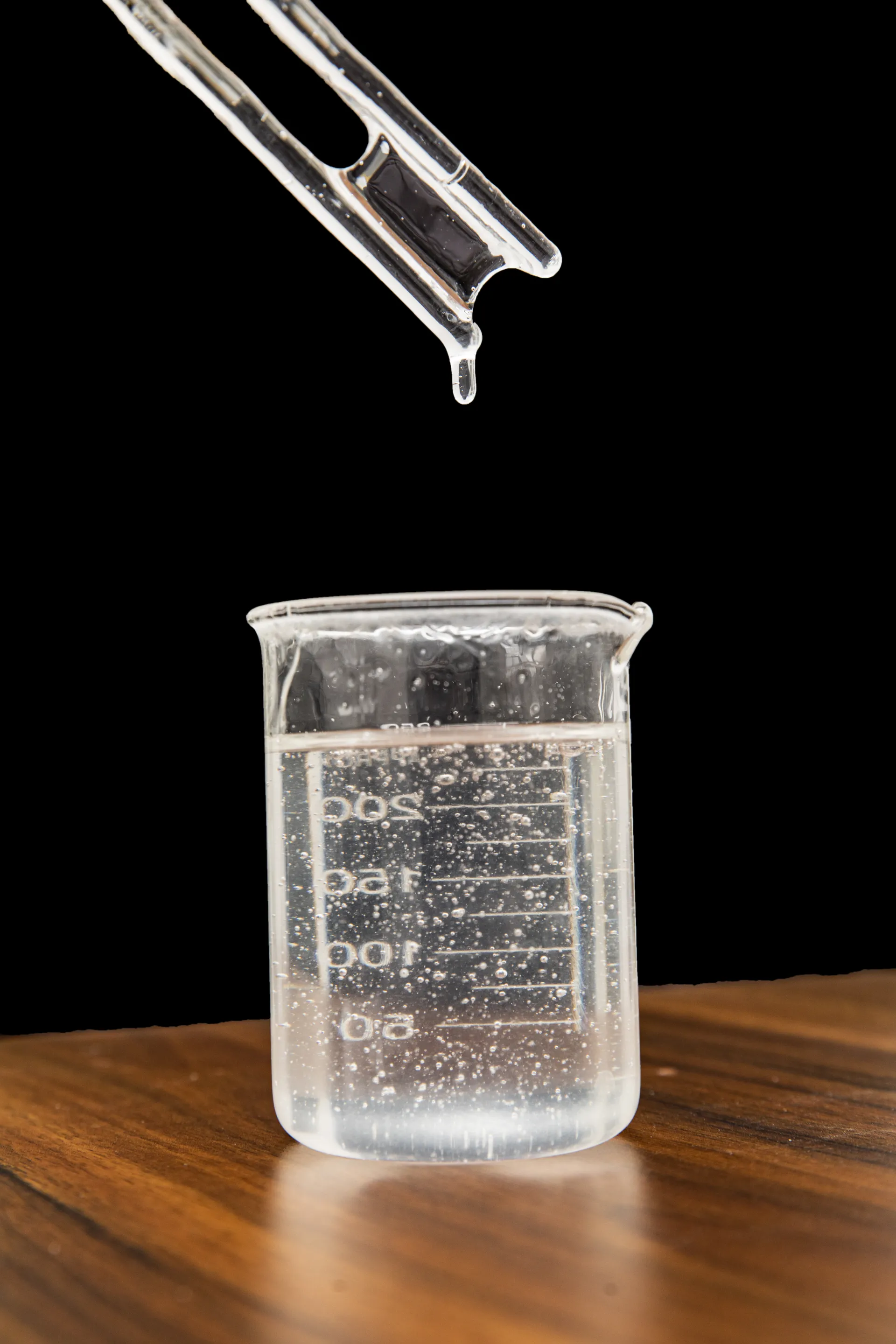
Exploring HPMC E15 A Versatile Excipient in Pharmaceutical Applications Hydroxypropyl Methylcellulose (HPMC) is widely acknowledged in the pharmaceutical industry for its multifunctional properties. Among its various grades, HPMC E15 has gained prominence due to its unique characteristics, making it an essential excipient in various dosage forms. This article delves into the composition, characteristics, applications, and advantages of HPMC E15 in pharmaceutical formulations. Composition and Characteristics HPMC is a semi-synthetic polymer derived from cellulose, a natural polymer found in plant cell walls. The E15 designation refers specifically to a grade with a viscosity of 15,000 centipoise when dissolved in water. This viscosity is conducive for many applications, as it provides a balanced option between solubility and gel-forming ability. HPMC E15 exhibits several critical characteristics, such as high thermal stability, excellent compatibility with a variety of active pharmaceutical ingredients (APIs), and non-ionic nature. This non-ionic behavior makes it an attractive choice for formulations where ionic interactions may affect the stability or solubility of components. Furthermore, HPMC E15 is soluble in cold and hot water, allowing for flexibility in formulation processes. Applications in Pharmaceutical Formulations HPMC E15 plays a multifaceted role in various pharmaceutical applications. One of its primary uses is as a film-forming agent in sustained-release formulations. Due to its gel-forming properties upon contact with moisture, it can control the release profile of APIs, thereby ensuring a prolonged therapeutic effect. This is especially beneficial in developing dosage forms for chronic conditions that require steady medication levels. Moreover, HPMC E15 serves as a thickening agent and stabilizer in suspensions and emulsions. It enhances the viscosity of formulations, preventing sedimentation of solid particles and enabling uniform dispersion. This is particularly crucial for ensuring consistent dosages in liquid formulations. By improving the stability of suspensions, HPMC E15 contributes significantly to the overall efficacy and safety of the product. hpmc e15 In tablet formulations, HPMC E15 functions as a binder and a disintegrant. Its hydrophilic nature allows it to absorb water readily, facilitating the disintegration of tablets upon ingestion. This characteristic is vital for fast-dissolving tablets, where rapid release and absorption are desired. Additionally, HPMC E15 is employed in ocular formulations, as its viscosity and bioadhesive properties help prolong the contact time of the drug with the eye's surface. This is particularly beneficial in treating dry eye syndrome and other ocular conditions, ensuring that the medication remains in contact with the target site for an extended period. Advantages of HPMC E15 The utilization of HPMC E15 in pharmaceutical formulations offers several advantages. Firstly, its wide-ranging solubility makes it suitable for a variety of formulations, catering to the diverse needs of patients. Secondly, its biodegradable nature aligns with the growing demand for sustainable excipients in pharmaceutical manufacturing. Furthermore, HPMC E15 is generally regarded as a safe compound, with minimal toxicity associated with its use. This safety profile encourages its adoption in various pharmaceutical applications, ranging from over-the-counter medications to prescription drugs. Lastly, HPMC E15 allows for enhanced patient compliance. The formulations utilizing HPMC tend to exhibit improved mouthfeel and taste masking properties, which contribute to a better overall experience for patients. Conclusion HPMC E15 stands out as a versatile excipient in the pharmaceutical industry, demonstrating significant benefits across various applications. Its unique properties and advantages make it an essential component in the development of effective, safe, and patient-friendly formulations. As the pharmaceutical landscape continues to evolve, the importance of reliable excipients like HPMC E15 will remain paramount, ensuring that patients receive optimal therapies tailored to their specific health needs. The ongoing research and development of HPMC E15 promise to unveil new potentials, driving innovation in pharmaceutical formulations for years to come.
-
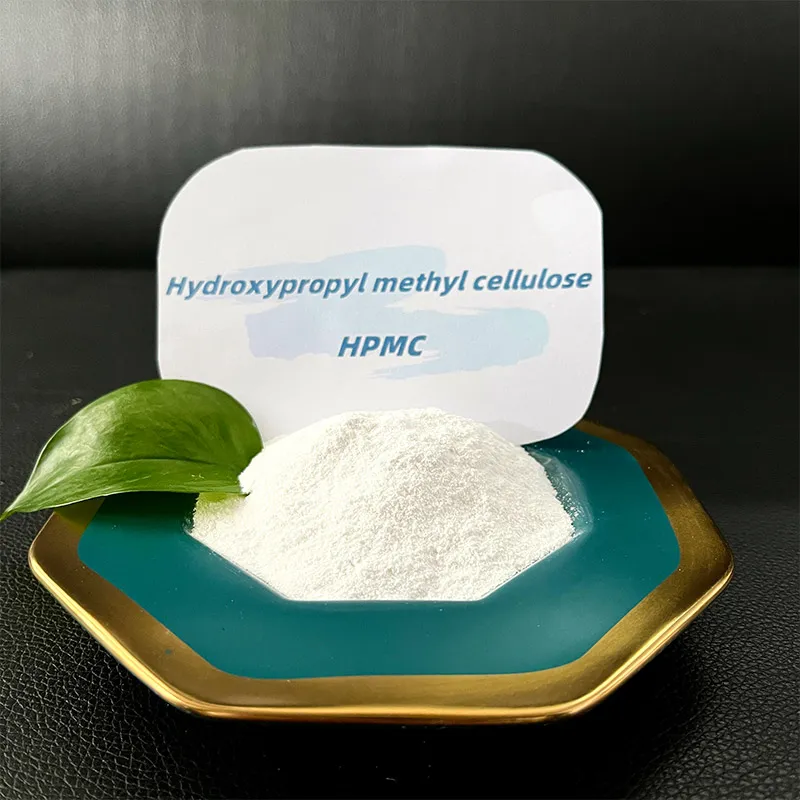
Hydroxypropyl methylcellulose (HPMC) stands as a versatile compound widely utilized across numerous industries, each benefiting from its unique properties. Its application spans from pharmaceuticals and food production to construction and personal care products, underlining its integral role in everyday life. In the pharmaceutical industry, HPMC is renowned for its use as a binder and release agent in tablet formulations. Due to its non-toxic and biodegradable nature, it provides an effective solution for delivering active ingredients in medications. Its property of being a stable agent ensures consistent performance, making it an integral part of many tablet coatings. One personal account from a formulation scientist highlights the element of control HPMC provides, stating, “In our tablet development, HPMC offers the exact disintegration time we aim for, which is crucial for efficacy and patient compliance.” In the realm of food production, HPMC serves as an emulsifier, thickener, and stabilizer, playing a pivotal role in texture improvement and shelf-life extension. The bread and bakery sector especially benefits from HPMC’s water retention capabilities, which enhance freshness and softness of baked products. Expert bakers affirm that its inclusion leads to a more uniform crumb structure in bread, thus ensuring high-quality final products that retain moisture longer without compromising flavor or texture. The construction industry utilizes HPMC as a key component in producing high-performance cement and drywall applications. Its water retention and workability properties improve the performance of cement-based products significantly. A construction material engineer notes, “HPMC in construction mixes leads to better adhesion and workability, reducing waste and increasing longevity of the structure.” This is especially relevant in modern buildings where energy efficiency and building integrity are of utmost importance. hydroxypropyl methyl cellulose uses Personal care products such as shampoos, lotions, and toothpaste also capitalize on the thickening and stabilizing properties of HPMC. Its inert behavior and compatibility with other components make it ideal for delicate skin care formulations. For instance, in hair care products, HPMC helps maintain the desired viscosity for a luxurious application experience, while ensuring product stability over time. Dermatology experts trust HPMC for sensitive skin formulas due to its non-irritant profile, which is essential for hypoallergenic products. In the context of environmental consciousness, HPMC’s biodegradable nature aligns with sustainable practices in manufacturing and product formulations. This attribute makes it an appealing choice for companies aiming to reduce their environmental footprint. Hospitals and medical facilities adopting green practices prefer using HPMC-based disposable medical supplies, as it supports their commitment to environmentally friendly practices. Research and development sectors continually explore HPMC’s potential to formulate new products. Its multifunctional capabilities open avenues for innovation, allowing scientists to develop new materials that could revolutionize existing solutions in various fields. For example, the emerging research into its use in 3D printing materials promises a future where HPMC-based bio-inks could significantly impact medical prosthetics and tissue engineering. In conclusion, hydroxypropyl methylcellulose is not merely a compound but a bridge to innovative solutions across industries . Its non-toxic, biodegradable properties combined with its multifunctional use underscore its importance. For businesses and professionals, understanding and harnessing the applications of HPMC can lead to significant advancements in product design and sustainability. Its extensive use cases and continual presence in cutting-edge research position it as a valuable asset in global industrial practices.
advantages
-

200000 Viscosities
Excellent product
We can produce pure products up to 200,000 viscosities
-

40000 tons
High yield
We don’t stop production all year round, and the annual output can reach 40,000 tons
-

24 hours
Quality service
We provide 24-hours online reception service, welcome to consult at any time
———— Inquiry Form
Schedule A services
-
 produsen_serat_polipropilen
Oct . 25, 2025
Hydroxypropyl methylcellulose (HPMC) is a multi-functional polymer that garners extensive attention -
 hpmc_e_number
Oct . 25, 2025
Navigating the complex world of synthetic fibres involves understanding their multifaceted applicati -
 hpmc_gelation
Oct . 25, 2025
In the modern construction industry, the performance of building materials is critical to ensuring d


